Conversation is surprisingly active
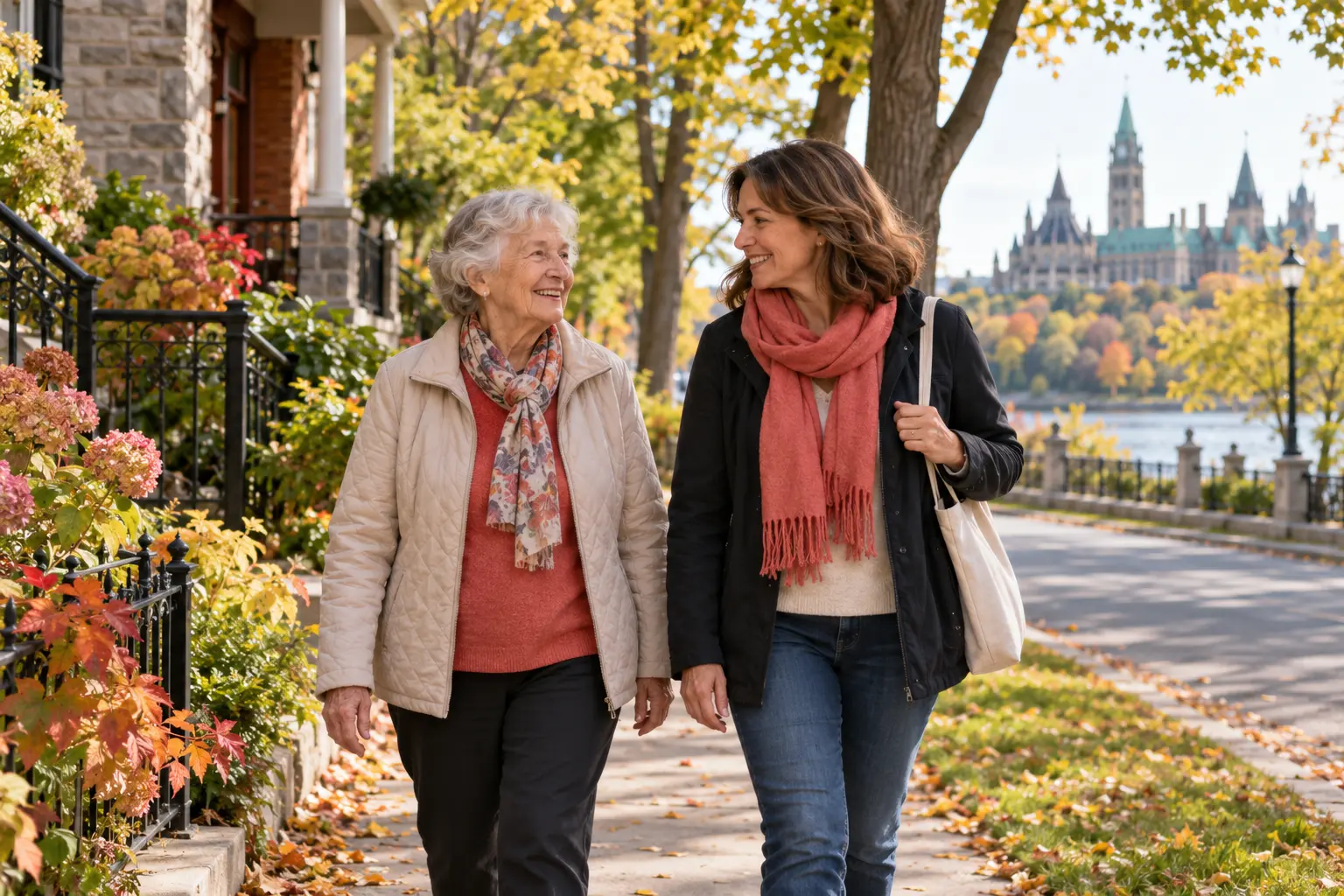
A good conversation can feel effortless, but the mind is doing many things at once. We follow a thread, retrieve names and memories, read facial expressions, choose words, notice humour and decide what to say next. When the exchange is warm rather than stressful, that mental activity is paired with emotional connection.
No single pastime can prevent cognitive decline, and conversation should never be presented as a cure or guarantee. Still, social engagement belongs alongside other broadly supportive habits such as physical activity, adequate sleep, meaningful routines and appropriate health care. It offers mental variety in a form that is naturally motivating: another person genuinely wants to hear the answer.
Stories exercise more than memory
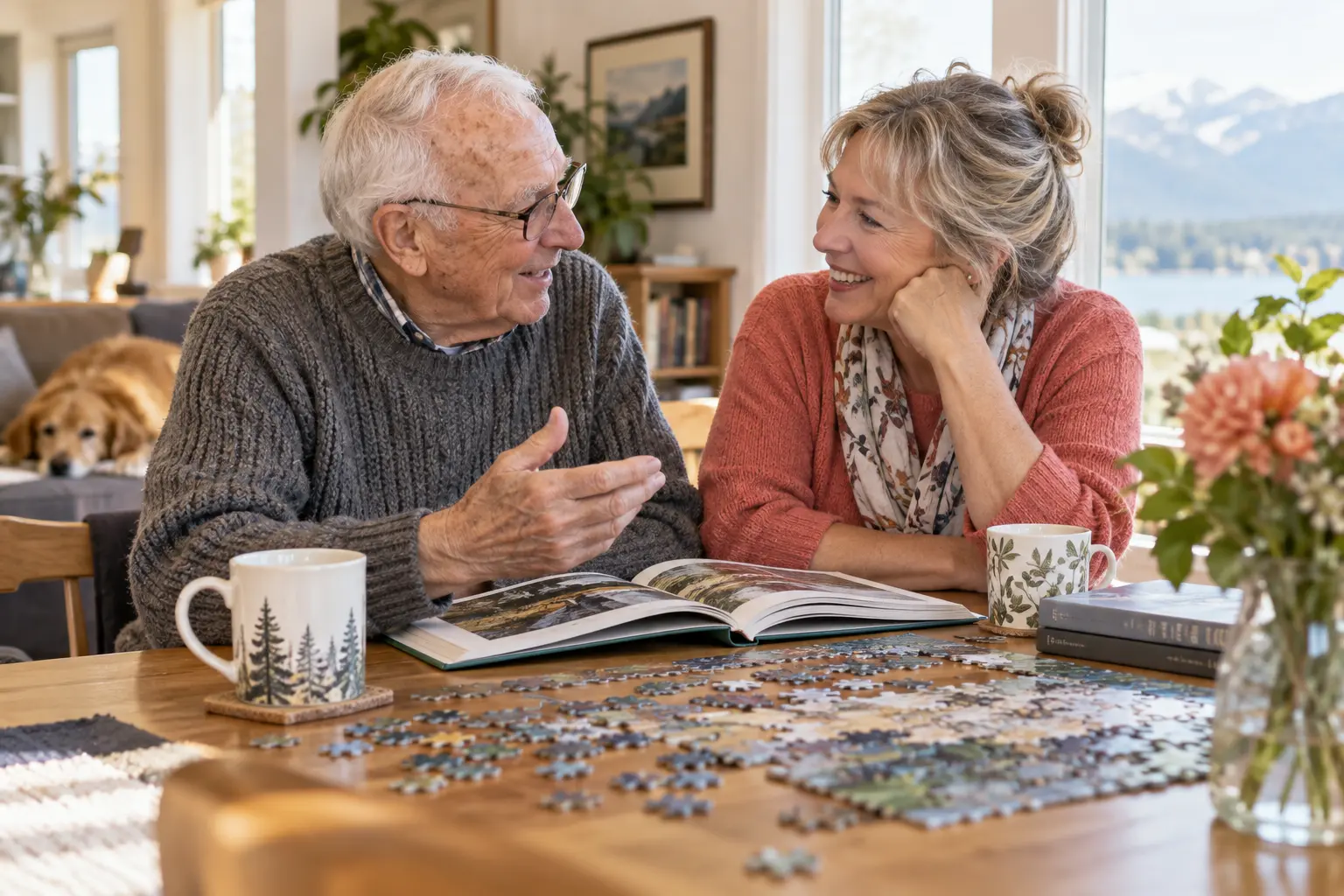
Telling a story is not merely reciting facts. A person decides where to begin, which details matter and how the experience felt. The listener asks questions that may reveal a forgotten detail or a new interpretation. Even a familiar story can change when it is shared with someone new.
Reminiscence can affirm identity, particularly when retirement, bereavement or changes in health have altered familiar roles. But good companionship should not trap an older adult in the past. Curiosity about present opinions, new interests and future plans communicates something important: your life is still unfolding.
Adapt the pace, not the respect
Hearing loss, vision changes, fatigue, language differences and cognitive changes can all affect conversation. Practical adjustments—reducing background noise, facing the person, speaking clearly, checking that glasses or hearing devices are available, and meeting at a good time of day—can make participation easier.
If a person lives with dementia or another cognitive condition, companions should understand their role and follow family or professional guidance. Arguing over a detail rarely improves the moment. Calm validation, simple choices and familiar activities may be more helpful. Companionship remains social; clinical assessment and care belong with qualified professionals.
The point is participation
Mental engagement is most sustainable when it is enjoyable. A relationship creates reasons to pay attention, respond and contribute without making the person feel they are completing an exercise. It also gives them something equally valuable: the experience of influencing another person through their humour, knowledge and perspective.
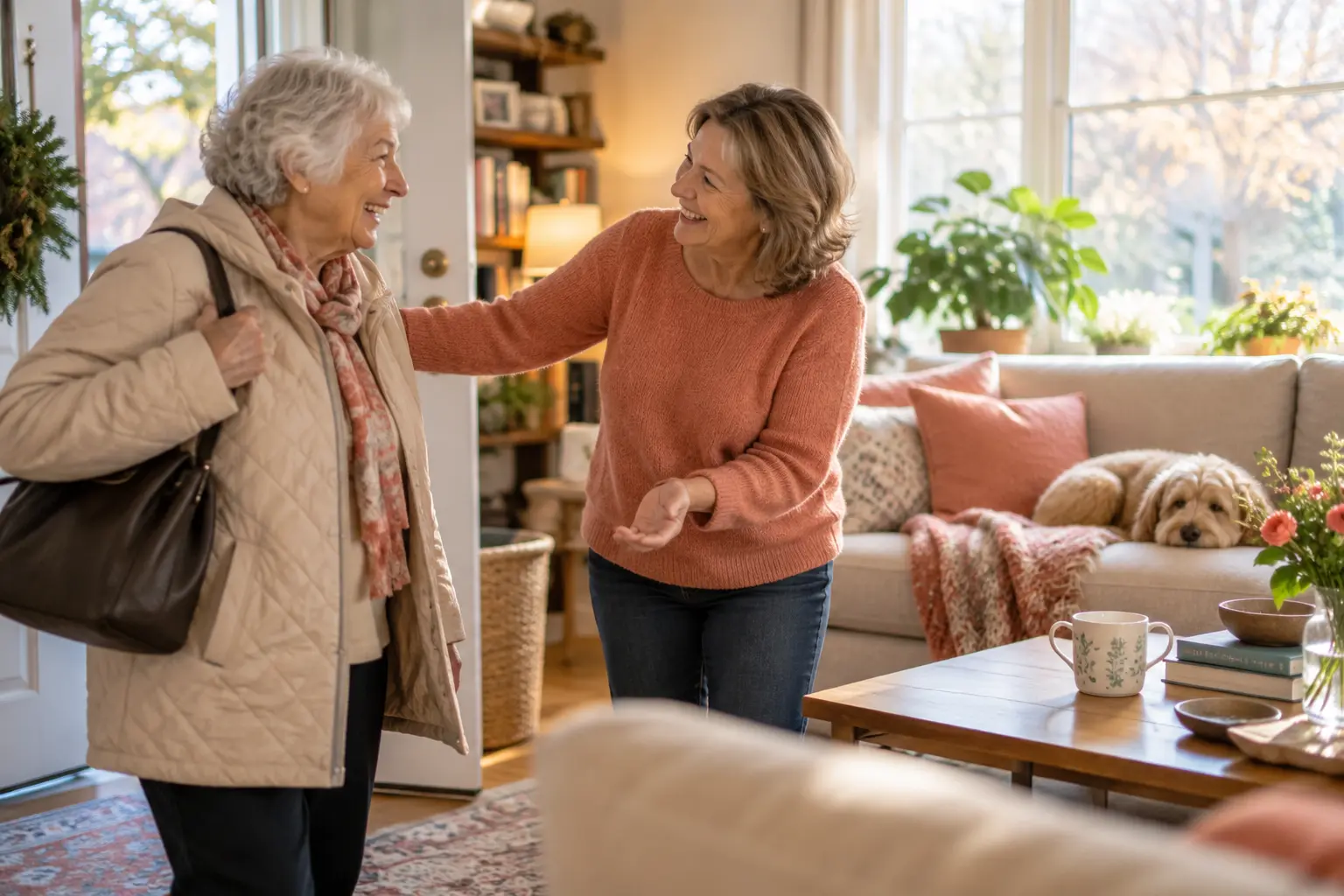
A well-matched companion brings interest rather than an agenda. The conversation may wander, repeat or become quiet. What matters is that both people remain present. In that space, the older adult is not a passive recipient of company but an active participant in a relationship.
The central ideaConversation supports an engaged life when it is enjoyable, respectful and adapted to the person—not when it becomes a memory test.
Sources and further reading
We favour official, public-health and first-party resources. Links open the original source so you can read the guidance in context.
Please note: Helping Companions provides social companionship—not medical, mental-health, nursing, transportation or personal-care services. Health concerns should be discussed with a qualified professional.